The Science Behind Hot Water vs Cold Water Pressure Cleaning
Hot and cold water pressure cleaning both remove dirt using a high-speed water jet, but they work differently on grease, oil and surface deposits. For Perth properties, the best choice depends on the contamination, the material being cleaned and how wastewater will be managed. More heat or pressure does not automatically mean a better result.
How Pressure Cleaning Removes Dirt
A pressure cleaner converts pump energy into a fast-moving jet. When that jet hits a surface, it helps loosen and carry away contamination. Pressure influences the force applied, while water flow helps flush away loosened material. Nozzle angle, working distance and operator technique also affect cleaning performance and the risk of damage.
Effective cleaning balances four factors: mechanical action, temperature, cleaning chemistry and contact time. Increasing one factor can sometimes reduce the need for another. For example, an appropriate detergent given sufficient https://rowanvcjh007.northvaledigest.com/posts/how-to-remove-mould-from-outdoor-surfaces-safely-in-perth dwell time may reduce the pressure needed to clean a surface.
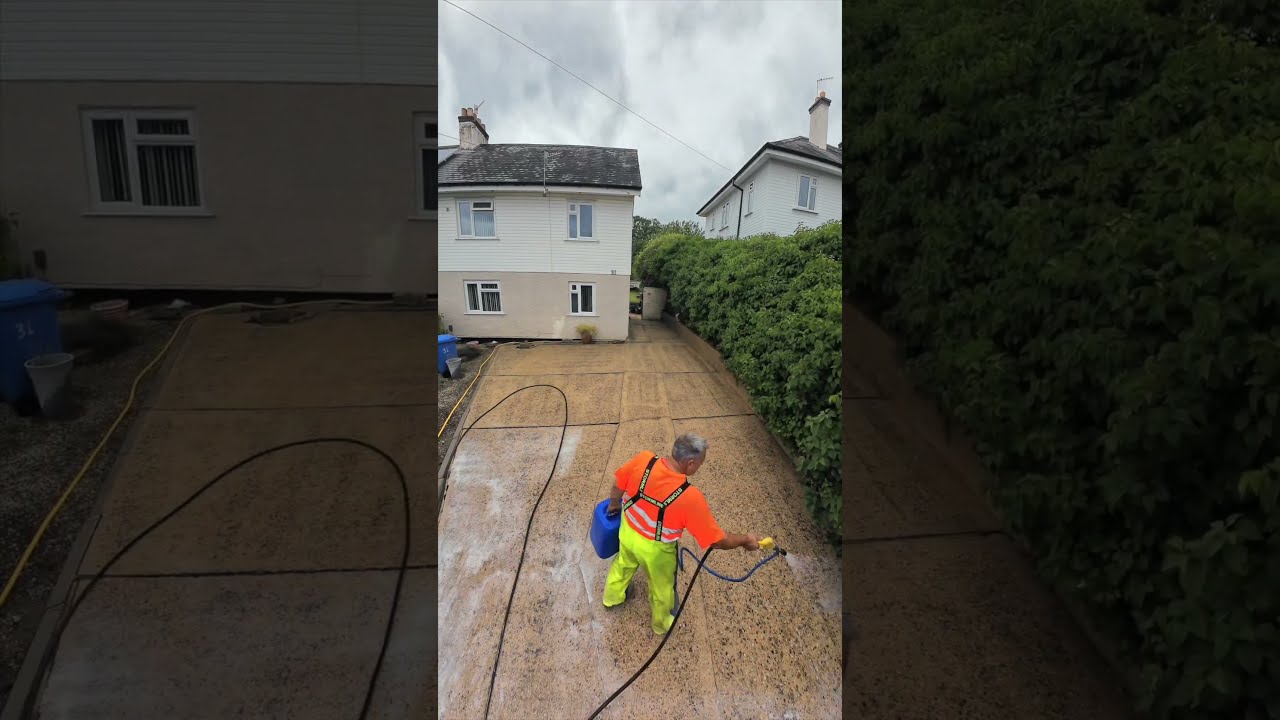
What Heat Adds to the Cleaning Process
Hot water lowers the viscosity of many oils and softens greasy deposits, making them easier to dislodge. It also generally accelerates the chemical reactions involved in detergent cleaning. Surfactants in suitable cleaning products help lift and disperse oily contamination so it can be rinsed away.
Professional hot water pressure cleaners commonly operate at approximately 60–90°C, although settings and the temperature reaching the surface vary. Equipment displaying a high outlet temperature does not guarantee the surface reaches that temperature.
Hot water cleaning is not automatically disinfection. Reliable disinfection requires a validated combination of temperature, contact time and, where applicable, an approved disinfectant used according to its label.
When Cold Water Works Well
Cold water pressure cleaning is often suitable for loose soil, sand, dust and mud on sound, compatible surfaces. It generally uses less energy because no burner or water-heating system is required.
However, cold water alone is less effective on stubborn grease and oil. Increasing pressure to compensate can damage concrete, strip coatings or erode paving joints without fully removing the stain. Embedded oil may require a suitable degreaser, repeat treatment or a specialist stain-removal method.
Choosing the Right Method for Perth Properties
- Dusty driveways and paths: Cold water is often sufficient for routine cleaning of sound concrete, with pressure adjusted to the surface condition.
- Greasy commercial areas: Hot water combined with an appropriate degreaser can improve removal, provided contaminated wastewater is captured.
- Limestone and softer masonry: Use a cautious, material-specific approach. High pressure and unsuitable acidic products can cause permanent damage.
- Painted, sealed or timber surfaces: Check manufacturer guidance and test a small, inconspicuous area before using heat, pressure or chemicals.
- Algae-covered paving: Removing visible growth may require suitable cleaning chemistry as well as rinsing. Address persistent moisture and shade where practical to slow regrowth.
Water Use, Runoff and Environmental Care
Perth’s dry summers make efficient water use important. Compare methods by total water use for the completed job, not simply the machine’s flow rate. Hot water may shorten some greasy cleaning tasks, but it also consumes heating energy.
Before starting, sweep up loose debris, identify nearby drains and plan wastewater containment. Do not allow oily, detergent-laden or otherwise contaminated wash water to enter stormwater drains. Stormwater can reach waterways without treatment.
In 2026, check current Water Corporation restrictions and exemptions before using scheme water for pressure cleaning. For commercial work, confirm applicable local government requirements and whether wastewater collection, authorised disposal or trade waste approval is necessary. Discharge to sewer should never be assumed acceptable.
Practical Questions to Ask Before Booking
Ask the cleaning provider why they recommend hot or cold water, how they will protect the surface and where the wastewater will go. Request a test patch for delicate materials or uncertain finishes. A sound cleaning plan matches temperature, pressure and chemistry to the job rather than relying on maximum machine settings.
House Washing Perth
(08) 7828 5551